[ REAL ML ]
[ In Person ]
REAL ML 2026 workshop: Johannesburg

Date
–Location
Johannesburg, South Africa

Koliwe Majama
Independent consultant

Chenai Chair
social scientist
My Data Rights

Yossra Kallali
Legal specialist and researcher, advocate
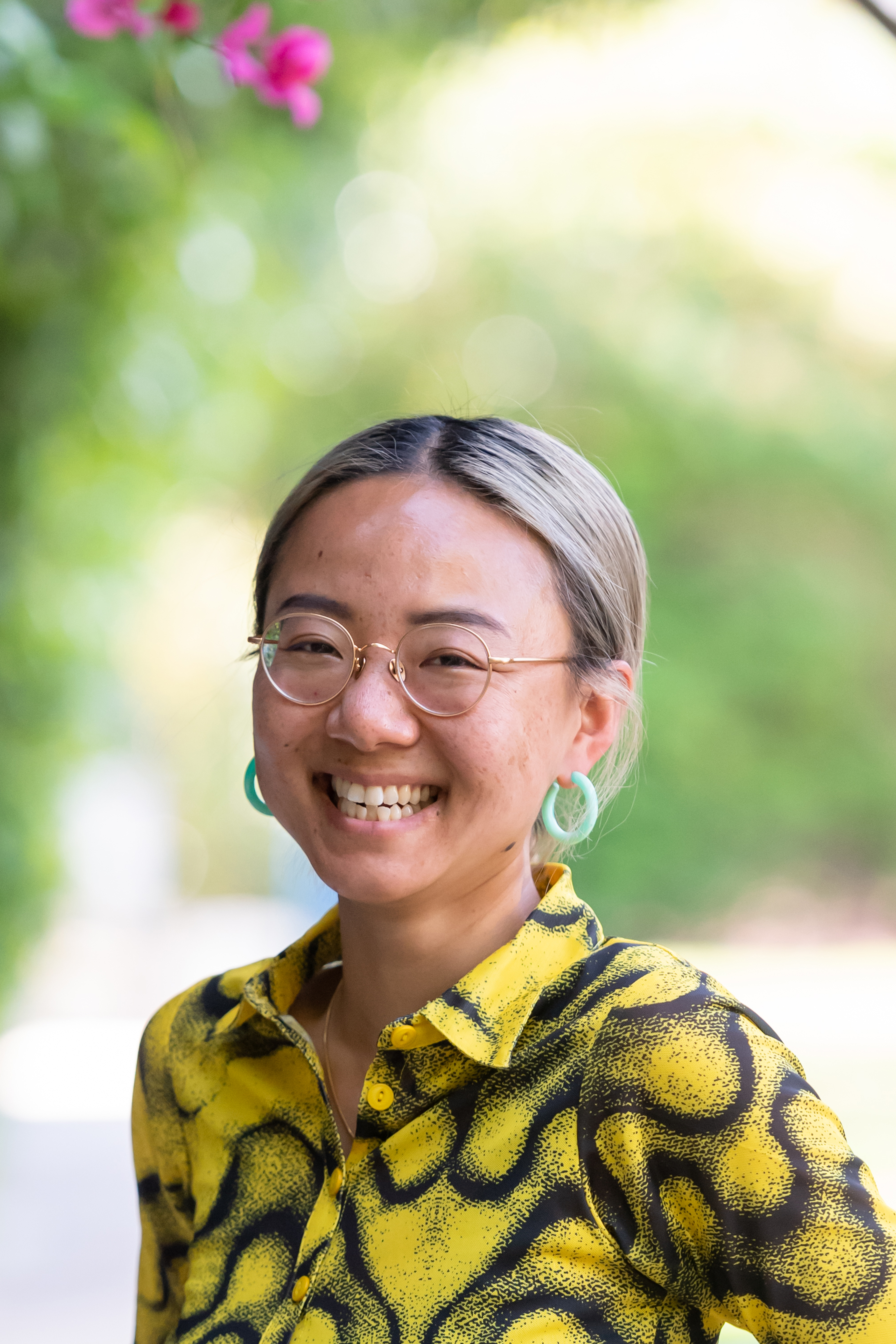
Xiaowei Wang
artist, writer, advocate
Visiting Assistant Professor at University of California, Santa Cruz, Kaiji
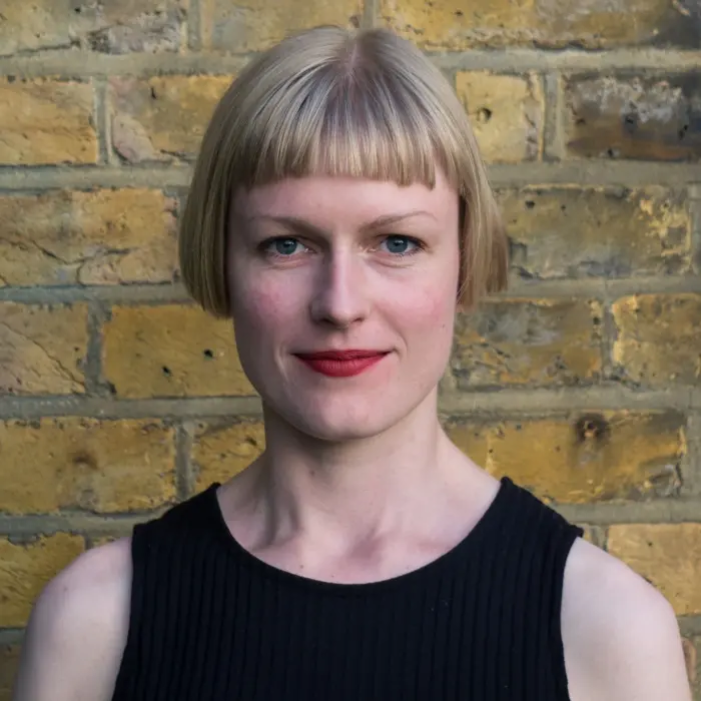
Anna Bacciarelli
Researcher and advocate
REAL ML, Human Rights Watch

Aoise Keogan-Nooshabadi
Director of Operations
REAL ML

Namita Aavriti Malhotra
writer, researcher, programmer
Association for Progressive Communications
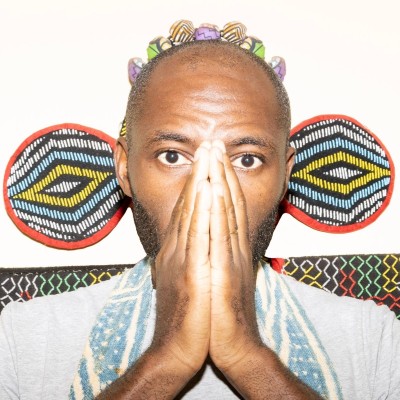
Yanick Kemayou
Learning systems designer
Kabakoo Academies
Showing 3 of 8 ()
Abstract/Summary
The 2026 REAL ML workshop took place in Johannesburg, South Africa, 1-5 June 2026
The REAL ML flagship workshop is an opportunity to bring works in progress focused on algorithmic accountability to a trusted group setting to get feedback, ideas and ultimately help you get your project out to the world.
Who is it for?
This event is aimed at mid career professionals working on algorithmic or AI accountability issues. It is an expert workshop, and a high degree of prior knowledge is expected. Participants will come from a range of disciplines, approaches and geographies, so we ask that any attendee is open to new ideas and approaches, potentially open to being challenged on existing beliefs. The workshop will primarily be conducted in English, but translation options may be available: please let us know if you require these when asked on the application form.
We welcome applications from people working to advance understanding, documentation and empowerment for marginalised and vulnerable communities on the receiving end of AI and automation systems. While we value data science and other qualitative methodologies, we create equal space for lived experience and particularly welcome those with lived experience of algorithmic harms to apply. Past attendees have come from a range of disciplines – across civil society, academia, and industry – and in roles ranging from journalists to data scientists to lawyers to activists.
This is an international workshop, and REAL ML has hosted meet ups around the globe. However, we are keen to situate this event in South Africa, and especially encourage people working on these issues across the African continent to apply, as well as those working in relevant issues from other Global South contexts.
Workshop format
We have a tried and tested format: three full days together, intense plenary discussions, hands-on work in breakout groups and plenty of fun at social events each evening. Participants need to be available for five days in total, to include travel days on either side of the programme.
Participants will present their work to their breakout group for live ‘peer review’ from other experts. We hope participants will leave with tangible ideas about how to move their project forward – whether it’s a research paper, an advocacy campaign, an investigative report – as well as a mix of practical skills to apply to their work, and a sense of connection with a community advancing these practices together.
We are open to a wide range of formats. The only criteria is that it’s something you’re actively working on and have some progress to show for it and have made headway on. It must be more developed than an idea – whether that’s a draft paper, story or report, initial research, a beta product – something that you can share in a breakout group, consulting your colleagues where you’re struggling to collectively troubleshoot blockers, workshop ideas for next steps, and maybe even consider collaborating with your group.
Previous REAL ML workshops have helped participants develop, finish and launch advocacy campaigns, research papers, data journalism and investigative reports.
How to apply
Applications for the REAL ML 2026 workshop are now closed
Workshop focus and themes
While the broad focus of the workshop is exploring current themes around tech accountability and honing our methodology and sharing resources to advance algorithmic accountability research, there are themes that our co-Chairs have identified as areas of particular interest. These themes are broad and we imagine that if you are working in this field you are likely to have work that falls under one of these categories. We are encourage applications of work that falls under at least one of these themes to help produce generative discussions and to support work that is much needed, especially in the African context.
Overarching themes of the 2026 REAL ML workshop:
- Corporate power, public accountability and the AI labor supply chain
- Language, cultural integrity and algorithmic erasure
- AI and surveillance technologies in conflict and humanitarian crises
Corporate power, public accountability and the AI labor supply chain
How can communities in the Global South counterbalance the influence of technology companies from the Global North? What does effective regulation of AI trade and investment look like? How can we foster innovative business opportunities while upholding transnational labor standards that protect local workers from exploitation? How can we ensure that any use of AI in public services meets the needs of the local population, including so-called ‘edge cases’?
Language, cultural integrity and algorithmic erasure
How can researchers in the Global South ensure both cultural preservation and data privacy with regard to LLMs? What specific accountability and localization steps must developers, policymakers, and global tech firms take to counter language bias? How can we honor indigenous and minority languages and experiences in the generative AI age?
AI and surveillance technologies in conflict and humanitarian crises
What are the current trends in legal and civil accountability with regard to the use of technology to repress and oppress in conflicts, crackdowns and during mass migrations? How do biometric ID systems impact minority groups with non-normative identities or presentations? What social justice protections are needed?
People
Workshop Co-Chairs


This event was co-Chaired by Chenai Chair and Koliwe Majama, who bring a wealth of global experience from their work in civil society, internet and tech research, and philanthropy, supporting public interest technology, human rights, and social justice initiatives.
Chenai Chair directs the Masakhane African Languages Hub and is also the founder of My Data Rights, a knowledge repository that offers an African Feminist perspective on AI, privacy, and data.
Koliwe Majama is an independent consultant with over two decades of expertise in media, information communication and technology governance work.
Organising Group
- Anna Bacciarelli – REAL ML Lead
- Aoise Keogan-Nooshabadi – Project Management
- Alt Advisory – Host Partner
Steering Committee
- Yossra Kallali, Senior Advocacy Officer, Niyel
- Yanick Kemayou, Chief Learning Officer, Kabakoo
- Namita Aavriti Malhotra, Co-Manager, Women’s Rights programme, Association for Progressive Communications (APC)
- Nyalleng Moorosi, Research Fellow, The Distributed AI Research Institute (DAIR)
- Xiaowei Wang, Creative Technologist, Artist, Scholar and Organizer, Northwestern University
About REAL ML
At REAL ML, we have been hosting events to advance AI accountability efforts since 2019, when we brought a group of 30 leading researchers and practitioners together to workshop a range of data investigations, complex policy issues, and qualitative research projects. Since then we have held a series of workshops online and in person, in Mexico City, Beirut, London and Berlin. Each time, an international cohort has come together to workshop key issues of the moment and strategise on tech accountability, and make new partnerships and friendships.
We want to share, interrogate and strengthen our methodologies in documenting how AI impacts people in the real world. Whether that’s through ethical data practices, participatory methodologies, or creative partnerships, we aim to help a global movement of researchers capture the impact of AI on people who are already vulnerable, excluded and discriminated against.
Over seven years, we have grown a community of practical researchers, critical scholars, organisers and advocates, all committed to sharing knowledge, resources and connections to create a well-resourced movement for change.